

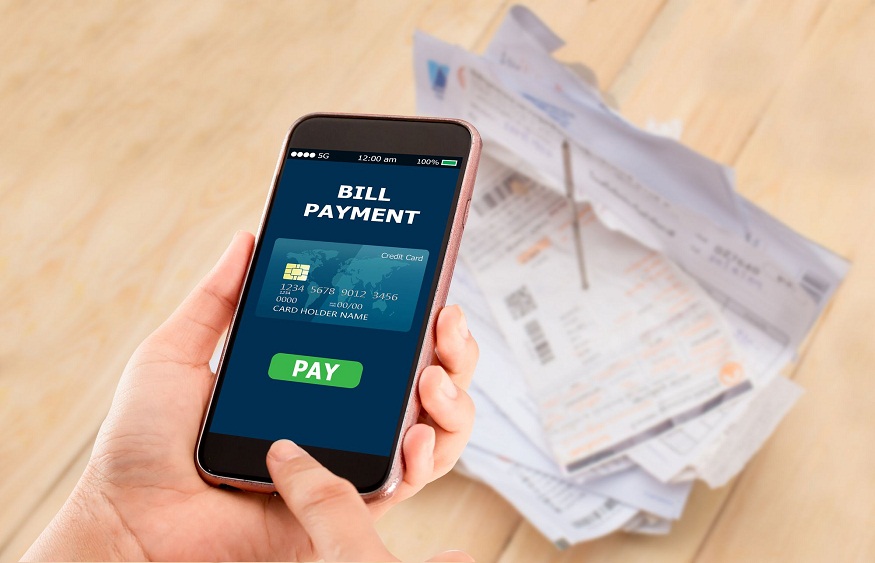
The way we handle our household finances has changed significantly over the last decade. Gone are the days of waiting for the mail to arrive, writing out physical checks, and hunting for a postage stamp. Today, the process of managing monthly costs has become a seamless part of our digital lives, allowing us to stay on top of our responsibilities with just a few clicks.
This shift toward digital management is not just about convenience. It represents a fundamental change in how we interact with service providers and monitor our consumption habits. By embracing modern technology, households can gain better control over their budgets and ensure that every obligation is met on time without the stress of manual paperwork.
The Evolution of Household Financial Management
The transition from paper-based systems to digital platforms has been a long journey. In the past, families would often have a dedicated drawer or folder for unpaid invoices. Once a month, someone would sit down to balance the checkbook and mail out payments. This method was prone to human error, and delays in the postal service could lead to unwanted late fees or service interruptions.
As the internet became a staple in every home, service providers began offering web-based portals. This change allowed consumers to see their balances in real time. We moved from a reactive state, where we only knew our costs when the paper arrived, to a proactive state. Now, we can check our accounts at any time of the day or night. This transparency has made it much easier to plan for upcoming expenses and avoid surprises at the end of the month.
The rise of mobile applications has further accelerated this evolution. Most people now carry their entire financial history in their pockets. This accessibility means that a task that once took an entire afternoon can now be completed during a morning commute or while waiting in line for coffee. The democratization of financial tools has empowered individuals to take charge of their economic well-being like never before.
Benefits of Transitioning to Online Bill Payment
One of the most significant advantages of adopting online bill payment is the sheer amount of time it saves. When you no longer have to visit a physical location or wait for mail to process, you reclaim hours of your life every year. This efficiency is a primary driver for the widespread adoption of digital systems across all age groups.
Beyond time savings, digital systems offer a level of organization that paper cannot match. When you use online bill payment, every transaction is recorded in a digital ledger. You can easily search for a specific month or year to compare costs. This makes it simple to identify patterns in your spending. For example, you might notice that your costs spike during specific seasons, allowing you to set aside extra funds in advance.
Another key benefit is the reduction of late fees. Most digital platforms offer automated reminders or scheduled payments. You can set your accounts to pay themselves on a specific date every month. This “set it and forget it” approach ensures that you never miss a deadline. It also helps maintain a healthy credit score, as consistent on-time payments are a major factor in financial reliability.
Streamlining Your Monthly Electric Bill Payment
Electricity is often one of the most variable expenses in a household budget. Depending on the weather or the number of people in the home, the costs can swing wildly from one month to the next. Managing an electric bill payment through a digital portal provides a level of insight that was previously unavailable to the average consumer.
When you handle your electric bill payment online, you often get access to detailed usage charts. These visual aids show you exactly when your home is consuming the most energy. You might discover that your cooling system is running more than necessary or that certain appliances are drawing power even when not in use. This data is incredibly valuable for anyone looking to reduce their monthly overhead.
Furthermore, digital platforms often allow for flexible payment options. If a particular month is tighter than usual, some providers offer the ability to split payments or change the due date through their online interface. This level of direct communication with the utility provider helps build a more cooperative relationship, ensuring that the lights stay on even during challenging financial periods.
Enhancing Security in Digital Transactions
A common concern for those new to digital finance is the safety of their personal information. However, modern digital payment systems are often much more secure than traditional paper methods. When you mail a check, it contains your bank account number, routing number, and your home address. This physical document passes through many hands and can easily be lost or stolen.
Digital platforms use advanced encryption to protect your data. This means that your sensitive information is scrambled into a code that is nearly impossible for unauthorized parties to read. Most systems also employ multi-factor authentication, which requires a second form of verification, such as a code sent to your phone, before a transaction can be completed. This adds a robust layer of protection that a paper envelope simply cannot provide.
In addition to encryption, digital payments offer an immediate paper trail. You receive an instant confirmation email or notification as soon as a payment is made. If there is ever a discrepancy, you have a time-stamped record of the transaction. This makes it much easier to resolve disputes with service providers or your bank, providing peace of mind that your money is being handled correctly.
Budgeting and Tracking Utility Costs Digitally
Effective budgeting is the cornerstone of financial stability. Digital payment platforms make this easier by integrating with various personal finance tools. Many people now use applications that aggregate all their spending into one place. By linking your utility accounts, you can see exactly what percentage of your income is going toward basic necessities.
This high-level view allows for better decision-making. If you see that your utility costs are rising faster than your income, you can take steps to mitigate the impact. This might involve investing in energy-efficient appliances or simply being more mindful of your daily habits. Without the clear data provided by digital tracking, it is easy to ignore small increases that eventually add up to a significant financial burden.
Digital records are also incredibly helpful during tax season or when applying for loans. If you need to prove your residency or show a history of consistent payments, you can download years of statements in seconds. This eliminates the need to keep bulky filing cabinets full of old papers. Having a clean, searchable archive of your financial life is a major stress reliever.
Final Thoughts on Digital Utility Management
Adopting digital methods for managing household costs is a smart move for anyone looking to simplify their life. The combination of convenience, security, and data-driven insights makes it far superior to traditional paper-based systems. Whether you are looking to save time, protect the environment, or get a better handle on your monthly budget, the tools are already at your fingertips.
Taking control of your financial responsibilities does not have to be a source of stress. By utilizing the power of modern technology, you can transform a mundane chore into a quick and easy part of your routine. The shift toward a digital-first approach is not just a trend; it is a better way of living in an increasingly connected world.